Quiet Stones, Deep Witness: Seven Lesser-Known Biblical Sites for a Slower 2026 Pilgrimage
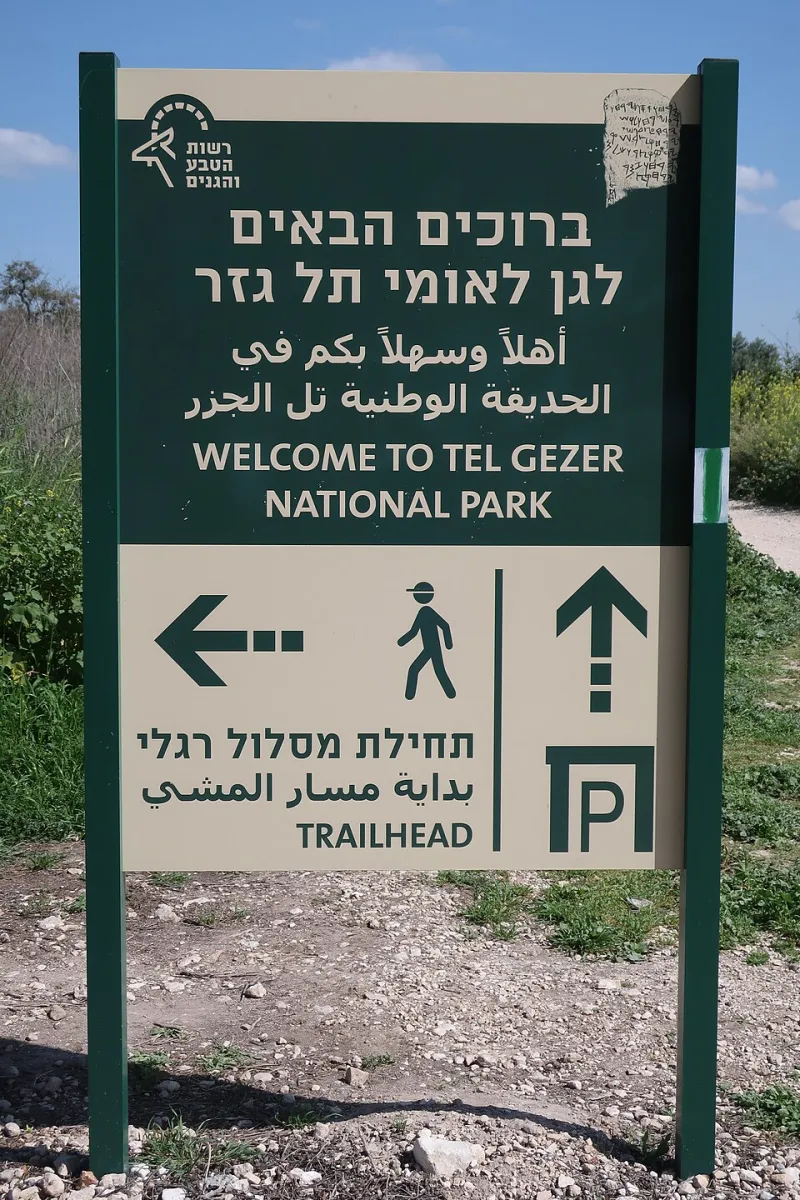
Photo: Davidbena, CC0, via Wikimedia Commons
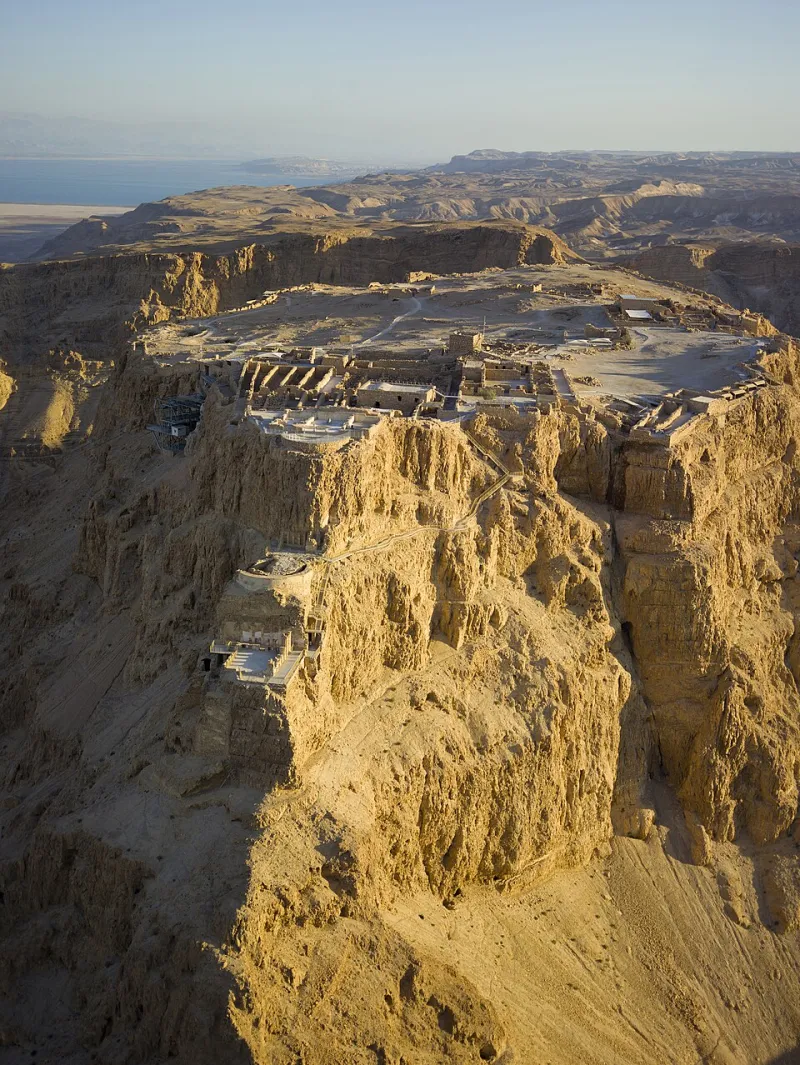
Most Holy Land itineraries are masterpieces of compression: Caesarea by nine, Nazareth by noon, the Sea of Galilee by sunset. Yet Scripture is full of places that never make the coach schedule—sites where the biblical text becomes three-dimensional without a crowd pressing at your back. The seven below are not obscure for the sake of novelty. They are quiet for the sake of attention. Each rewards a pilgrim willing to trade speed for context in 2026.
1. Tel Gezer: The City Solomon Fortified
Gezer guards the approach to the Shephelah, the low hill country between the coastal plain and the Judean highlands. Its layers include Canaanite walls, a massive gate, and standing stones that remind visitors how old the land's arguments really are. 1 Kings 9:15 names Gezer among the cities Solomon fortified, alongside Hazor and Megiddo.
Key verse: 'This is the account of the forced labor King Solomon conscripted to build the Lord's temple, his own palace, the terraces, and the wall of Jerusalem, as well as Hazor, Megiddo and Gezer' (1 Kings 9:15).
Why go in 2026: Gezer is an easy half-day from Jerusalem or Tel Aviv and rarely crowded. It offers a clear introduction to biblical geography without the pressure of a major pilgrimage queue.
2. Tel Lachish: The City That Saw Assyria
Lachish was one of the strongest cities in Judah, and its fall to Sennacherib in 701 B.C. became an emblem of judgment and survival. The Assyrian siege is documented in reliefs and in the Lachish letters, giving this mound a rare documentary depth.
Key verse: 'The king of Assyria sent his supreme commander, his chief officer and his field commander with a large army, from Lachish to King Hezekiah at Jerusalem' (2 Kings 18:17).
Why go in 2026: Lachish is not on the main Christian coach route, yet it rewards the pilgrim who wants to understand the prophetic world of Isaiah and Jeremiah. Combine it with a quiet drive through the Shephelah.
3. Tel Be'er Sheva: The Well and the Covenant
Beersheba marks the southern edge of the biblical imagination—from Dan to Beersheba—and preserves the memory of Abraham's covenant with Abimelech. The site includes wells, storage rooms, and the remains of an Israelite city that guarded the Negev.
Key verse: 'So that place was called Beersheba, because the two men swore an oath there' (Genesis 21:31).
Why go in 2026: It is an accessible desert site that prepares the pilgrim for the Negev without the crowds that gather at Masada. The scale is human, and the silence is generous.
4. Tel Dan: The High Place at Israel's Edge
Dan sits in the lush north, where springs feed the Jordan and the land feels almost unlike the rest of Israel. The site preserves a city gate, a high place, and layers of worship and power that the prophets condemned.
Key verse: 'Dan will provide justice for his people as one of the tribes of Israel' (Genesis 49:16).
Why go in 2026: A northern day that includes Dan and Caesarea Philippi balances archaeology with prayer. The walk is shaded, the water is audible, and the crowds are usually thinner than at Capernaum.
5. Nebi Samwil: The Ridge Above Jerusalem
Nebi Samwil is traditionally associated with the tomb of Samuel and commands one of the finest views of Jerusalem. Crusader and Islamic layers sit atop the ridge, and the site has long been a place of prayer for those approaching the city.
Key verse: 'Then Samuel said, Assemble all Israel at Mizpah, and I will intercede with the Lord for you' (1 Samuel 7:5).
Why go in 2026: It is only minutes from Jerusalem but often skipped. Go for the panorama and for the chance to pray over the city rather than rush through it. Check local conditions and opening hours before you go.
6. Ein Gedi: The Oasis Where David Hid
Ein Gedi is a desert oasis of springs, cliffs, and ibex, where David fled from Saul. The contrast between the barren Judean hills and the running water makes the psalms of refuge suddenly concrete.
Key verse: 'And David went up from there and lived in the strongholds of En Gedi' (1 Samuel 23:29).
Why go in 2026: An early-morning hike here is a prayerful alternative to a late-morning Masada crowd. Bring water, start early, and leave time to sit beside the streams.
7. Tel Arad: The Fortress in the Wilderness
Arad preserves both a Canaanite city and an Israelite fortress, including a shrine that has stirred scholarly debate for decades. It is stark, remote, and unusually instructive for anyone who wants to feel the wilderness rather than merely photograph it.
Key verse: 'When the Canaanite king of Arad, who lived in the Negev, heard that Israel was coming along the road to Atharim, he attacked Israel and captured some of them' (Numbers 21:1).
Why go in 2026: Arad is a desert site for pilgrims who have already seen the highlights and want a deeper sense of the biblical south. Pair it with Beersheba for a full day of Negev context.
A Word Before You Go
A slower itinerary is not a lesser itinerary. It is a different kind of pilgrimage—one that trusts Scripture to set the agenda rather than the bus schedule. Check opening hours, travel with a knowledgeable guide, carry water, and respect the communities that live around these sites. The stones are quiet. That is why they can still speak.