When the Crowds Go Home: An Evening on the Mount of Beatitudes
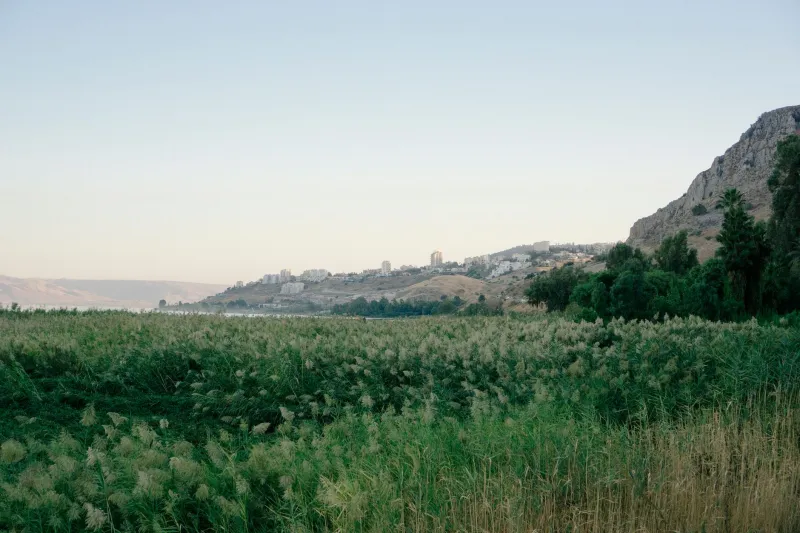
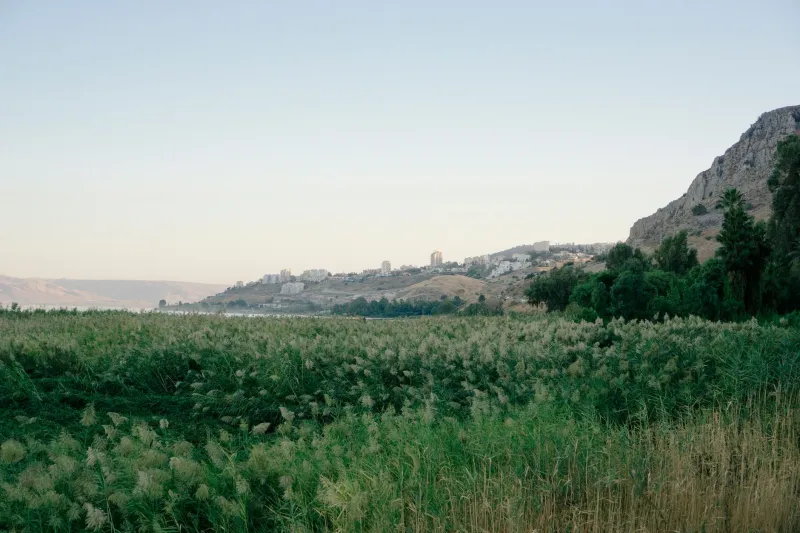
By four o'clock in the afternoon, the buses begin to pull away from the Mount of Beatitudes. Tour groups shuffle back toward Tiberias, their itineraries satisfied, their photographs taken. And then something remarkable happens: the hillside falls silent.
For pilgrims willing to rearrange a schedule — to trade a hotel buffet dinner for an hour of stillness — this is when the mount truly speaks. The limestone church designed by Antonio Barluzzi catches the last light off the Sea of Galilee below. The gardens, maintained by the Franciscans, glow amber and gold. And the slope that may have held thousands of listeners nearly two thousand years ago becomes what it surely was that day: a quiet place where a hard, holy teaching could be heard.
A Hillside That Holds a Sermon
Tradition places the Sermon on the Mount on this natural amphitheater rising above the northwestern shore of the lake, near Tabgha and Capernaum. The acoustics alone tell a story. Stand partway down the slope and speak — your guide will invite you to try — and your voice carries upward with startling clarity. A teacher could address a crowd without amplification. Every word could reach every ear.
The words that reached those ears were not gentle ones, whatever the greeting cards suggest. Blessed are the poor in spirit. Blessed are those who mourn. Blessed are the meek, for they shall inherit the earth. Jesus opened the most famous sermon in history by flipping every assumption His audience held about who God favors.
A Countercultural Message for an American Heart
For modern American readers, the Beatitudes may cut deeper than for any audience since the first century. We live in a culture built on self-promotion, accumulation, and strength. Our feeds reward the assertive. Our economy rewards the ambitious. Our instincts tell us that blessed means favored, winning, thriving.
Then Jesus climbs a hill in Galilee and says the kingdom belongs to the poor in spirit — to those who know their need of God. He blesses the mourners, the merciful, the peacemakers, the persecuted. It is not a self-help list. It is a description of what life looks like when God's reign arrives among people who have stopped pretending they can earn it.
Sitting on that hillside at dusk, an American pilgrim begins to feel the full weight of it. The Sermon on the Mount was not delivered to a nation at ease. It was spoken to farmers and fishermen under occupation, to people who had every earthly reason to grasp for power. And to them, Jesus said: the meek inherit. The hungry are filled. Your treasure is elsewhere.
Practical Guidance for the Quiet-Seeking Pilgrim
If you want to experience the mount as more than a photo stop, a little planning goes a long way.
- Time your visit for late afternoon. Most coach tours arrive mid-morning. Arriving after three o'clock often means sharing the grounds with only a handful of fellow travelers.
- Check closing hours with the Franciscan foundation (Custodia di Terra Santa) before you go. Opening times shift seasonally, and you will want enough daylight to descend safely.
- Walk down the slope toward the water. The path toward the lake, part of the famous "Jesus Trail," offers the vantage point from which the crowds themselves may have listened.
- Read the passage aloud. Matthew chapters 5 through 7 take roughly twenty minutes to read. There may be no better place on earth to do it.
- Bring water and modest attire. This is an active place of worship, not merely a scenic overlook.
Lodging in nearby Tabgha or Capernaum makes an evening visit practical, and several guesthouses along the shore cater specifically to pilgrims seeking this kind of unhurried experience.
What Remains When the Light Fades
As the sun drops behind the hills of Galilee, the lake turns to hammered bronze, and the breeze that locals call the sharav stirs the olive trees. Pilgrims who have made this evening visit often describe the same thing: the sense that the sermon is not finished. That the words are still being spoken, and the question is still being asked.
Will you build your house on rock, or on sand?
The crowds that heard it first were astonished, Matthew tells us, because He taught as one having authority. Sixteen centuries of pilgrims — and a hillside that still echoes — suggest the astonishment has never really stopped. Come at sunset, when the buses are gone, and you may understand why.