The Mountaintop Christ Chose: Why Arbel Deserves Your Galilee Morning
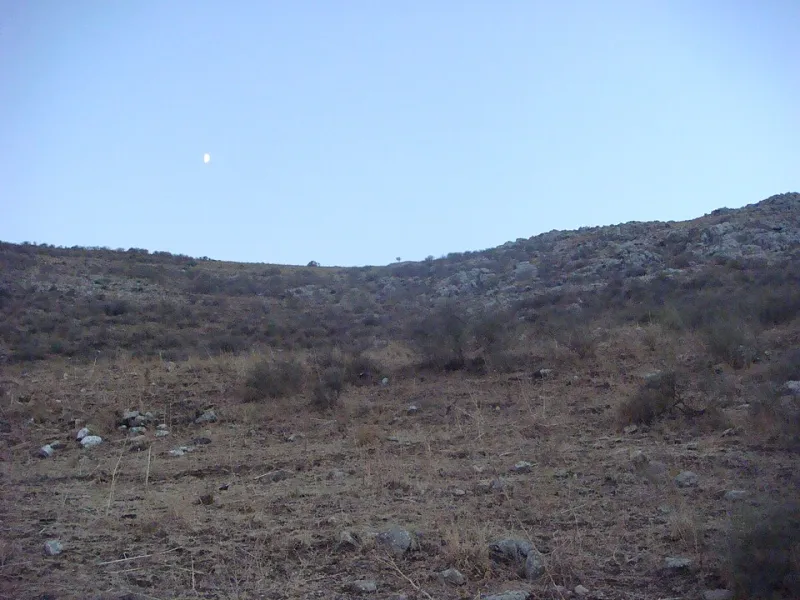
Photo: Lior Golgher • ליאור גולגר, CC BY-SA 3.0, via Wikimedia Commons
The View Most Tours Never Earn
Ask a returning pilgrim what they remember of Galilee and you will hear about the boat. You will hear about the Christ-nave at Capernaum, the acoustics on the hillside, the splash of the Jordan. Rarely will you hear about the cliff.
That is a pity, because Mount Arbel is the single most commanding vantage point over the ministry of Jesus, and it sits only a few minutes west of Tiberias. From its brow, the whole northern lake spreads out like a relief map: Magdala to the west, the Plain of Gennesaret below, Capernaum on the northwest shore, and the Golan rising beyond the water. It is the geography of the Gospels rendered in three dimensions.
Most group itineraries allot Arbel nothing at all, or an eight-minute photo stop. The argument of this piece is simple: give it a morning. Not because the other sites are unworthy, but because the Holy Land rewards the traveler who occasionally refuses the checklist.
What Scripture Says—and Does Not Say
The Gospels never name Mount Arbel. What they do report, with striking repetition, is that Jesus withdrew to the hills to pray. Luke tells us that he "went out to the mountain to pray, and continued all night in prayer to God" (Luke 6:12). Mark notes that "rising very early in the morning, while it was still dark, he departed and went out to a desolate place" (Mark 1:35). These are not incidental details; they are the rhythm of his ministry.
Arbel, rising roughly 600 feet above the lake with caves riddled through its face, is the kind of place a first-century Galilean would have chosen for such withdrawal. The traditional association between the mountain and Jesus' prayer times is inference, not text, and honest guides will say so. Yet the inference is a sound one: the terrain fits the testimony.
Standing on that rim, with wind off the lake and the ruins of the Hasmonean fortress below, it is not difficult to imagine the Lord of glory seeking the Father there while the fishing boats came in.
The Trail, Plainly Described
Mount Arbel National Park offers two primary experiences, and pilgrims should know which they are choosing.
The Upper Observation Deck
A short, paved walk from the parking area leads to the main overlook. This route suits every fitness level, takes perhaps fifteen minutes each way, and delivers the panorama without the exposure. For pilgrims with limited mobility, or for groups with tight schedules, this is the accessible option—and it is genuinely rewarding.
The Cliff Trail and Caves
The descent to the Hasmonean and Zealot caves requires a steep, often hand-assisted scramble. The park service rates it as demanding. Loose rock, iron handholds bolted into the cliff, and considerable exposure mean this is not a route for sandals, for children unaccompanied, or for anyone uneasy with heights. Those who go should carry water, wear secure footwear, and allow two to three hours for the loop.
Either way, arrive early. In spring and autumn, the light on the lake at first hour is extraordinary, and the tour buses have not yet come.
A Devotional Challenge for the American Pilgrim
Here is the uncomfortable observation. We are a people who schedule. We fly nine hours to walk where Jesus walked, then sprint through six sites in a day to justify the expense. Somewhere between Caesarea Philippi and the farewell dinner, we have reproduced the very busyness from which Christ regularly withdrew.
Arbel invites a different posture. Bring a Bible, a notebook, and no agenda beyond Psalm 46:10. Sit on the rim above the lake and read Luke 5, Mark 4, John 6—passages whose geography lies spread before you. Then do what Jesus did: pray without hurrying.
A half-day spent thus is not wasted time on a pilgrimage. It may be the most formative hours of the entire trip.
Practical Notes for Planning
- Location: Mount Arbel National Park, roughly twenty minutes by car from Tiberias.
- Best months: March through May and October through November, before the heat and the crowds peak.
- What to bring: sturdy shoes, two liters of water, sun protection, and a printed Bible—phone batteries fade in the sun.
- Time allowance: 90 minutes for the overlook; a half-day for the full cave route.
- Entry: a national park ticket is required; check current hours before setting out, as seasonal schedules vary.
Trading the Checklist for Attention
The Holy Land does not need our efficiency. It asks for our attention. Mount Arbel offers both a literal and a spiritual vantage point—a place to see Galilee as Jesus saw it, and to practice the hidden discipline that sustained him.
Skip the rushed stop. Climb the cliff, or at least the overlook. And when the lake lies still below you and the wind moves through the grass, take the counsel of the psalmist seriously: be still, and know.