The Tax Collector's Perch: What Zacchaeus Teaches the Spiritually Comfortable
A Tree, a Man, and a Very Long Wait
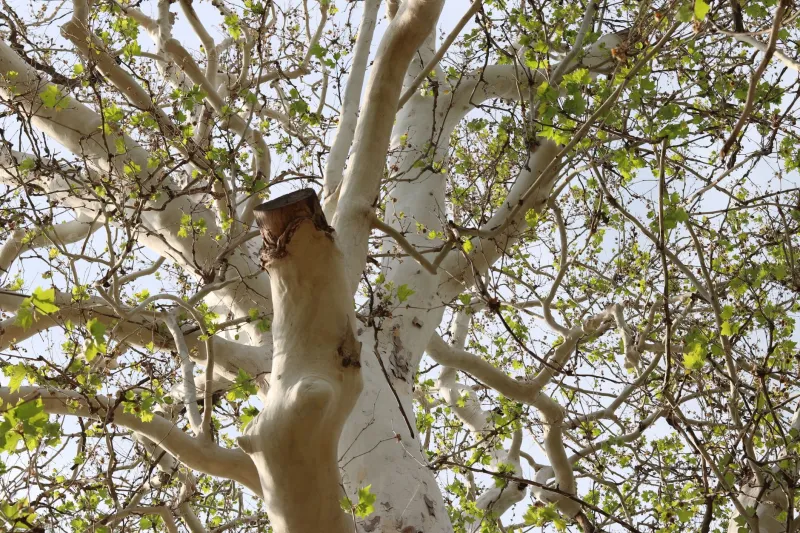
There is a moment in Jericho, standing in the shade of a broad-leafed sycamore, when the story you learned in Sunday school stops being a flannel-graph memory and becomes a question aimed directly at your chest.
The traditional site of Zacchaeus's tree sits in this ancient oasis city, some twenty-five miles east of Jerusalem and nearly nine hundred feet below sea level. Whether this exact sycamore is the one — and honest guides will tell you the original almost certainly was not, since sycamores have life spans and this one is a descendant or a stand-in — is almost beside the point. Pilgrims have been gathering here for centuries to remember one thing: a man wanted to see Jesus badly enough to embarrass himself.
The Oldest City on Earth
Jericho makes a claim no other settlement can: it may be the oldest continuously inhabited city in the world. Archaeologists have uncovered settlements here dating back some ten thousand years. Joshua's armies marched around its walls. Herod wintered in its warmth. And on one particular afternoon, as recorded in Luke 19, a wealthy chief tax collector scrambled up a tree branch because the crowds were too thick and he was too short.
Today's visitor experiences a Jericho of contrasts. The modern city hums with traffic and market stalls heaped with produce. Cable cars lift pilgrims up the bare limestone face of the Mount of Temptation, where a Greek Orthodox monastery clings to the cliffside above the traditional site of Jesus's forty days of fasting. The ride itself is a small sermon — dangling in the wind over the wilderness, you get a sense of how exposed the soul is in this landscape, how little hides.
And then there are the dates. Jericho's palm groves produce some of the finest fruit in the region, sweet and dense, sold in shops along the main road. Eating a date in Jericho is a small act of communion with the land itself, the same land that sustained prophets and outcasts alike.
The Cost of Wanting to See
We tend to sanitize Zacchaeus. He becomes a cute character in a children's song: a wee little man, a sycamore tree. But consider what he actually did.
Zacchaeus was a collaborator, a man who had grown rich collecting Rome's taxes from his own neighbors. He was hated, and he knew it. Climbing a tree — hoisting his robes, gripping bark with the hands of a man who presumably hadn't climbed anything since childhood — was beneath his dignity. His peers would have laughed. His employees would have talked.
He climbed anyway.
And here is the detail that should unsettle us: Jesus did not merely let Zacchaeus see Him. He stopped, looked up, and invited Himself to dinner. The man who climbed to catch a glimpse was seen himself.
A Word for the Comfortable American Believer
Most of us reading this will never need to climb a tree. Our challenge is the opposite of Zacchaeus's: not too many obstacles, but too few. We have streaming sermons, pocket Bibles, podcasts, and church on every corner. Nothing blocks our view of Jesus except our own indifference.
Spiritual complacency rarely announces itself. It arrives as busyness, as a prayer life that shrinks to mealtime formality, as a faith that manages the schedule rather than transforming it. The American churchgoer's crowd is not a throng of bodies in a Jericho street; it is the comfortable routine that lets us keep Jesus at a safe, observable distance — interesting to watch, never requiring anything.
Zacchaeus's climb asks a different question: How badly do you want to see Him?
Badly enough to be inconvenienced? Badly enough to look undignified — to be the person who prays out loud in a restaurant, who joins the small group, who admits from the platform of a tree branch that he is short and the crowd is large and he needs help? Hunger, in the spiritual life, is not a weakness. It is the prerequisite. Jesus's words in the Sermon on the Mount apply here with force: blessed are those who hunger and thirst for righteousness, for they shall be filled.
The View From the Branch
Pilgrims who visit the sycamore site often describe a curious sensation. The tree is just a tree. The street is just a street. And yet the act of traveling so far — the flights, the bus from Jerusalem, the descent through the Judean wilderness — is itself a form of climbing. You have made an effort. You have spent money and time and energy to stand where the story happened.
The question Jericho leaves you with is whether that same effort survives the flight home.
Zacchaeus's encounter did not end in the tree. It ended in his living room, with a repentance so concrete it had arithmetic attached: half his goods to the poor, restitution fourfold to anyone he had defrauded. Real seeing, it turns out, always leads to real change.
So climb the tree in Jericho if you get the chance. Taste the dates. Ride the cable car up the Mount of Temptation and look out over the oldest city on earth. But let the tree do its work on you. Let it ask whether your faith is a spectator's faith or a climber's faith — whether you are content to hear about Jesus passing through town, or whether you will do whatever it takes, however foolish it looks, to see Him for yourself.
The crowd in Jericho that day saw nothing but a rich man in a tree. Jesus saw a son of Abraham. He still looks up. The only question is whether we are still climbing.