The Table Jesus Set: How First-Century Bread and Honey Turn a Meal Into a Sermon
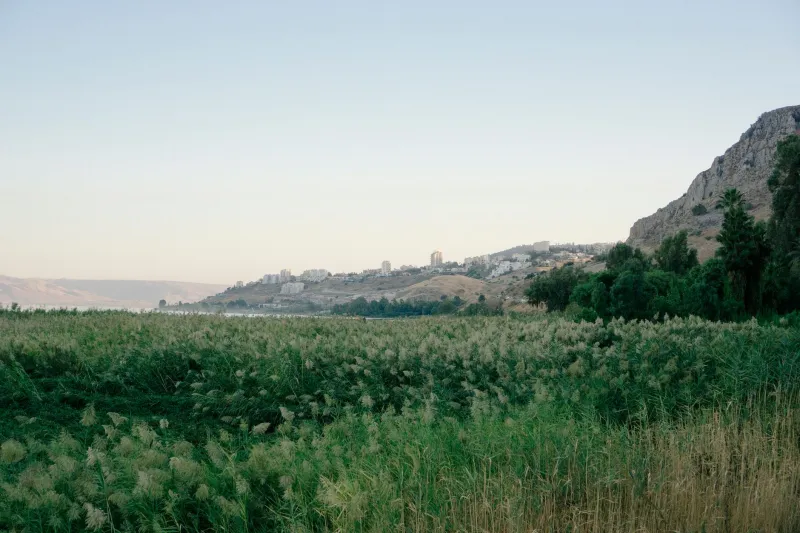
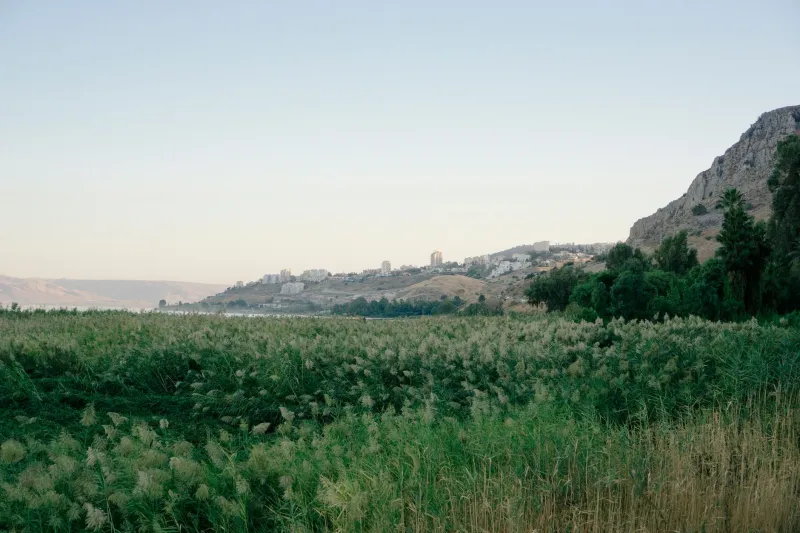
Pilgrims who travel to the Galilee with us often expect the scenery to preach. And it does—the light on the water, the wind coming down from the Horns of Hattin. But ask returning travelers what surprised them most, and many will say the same thing: the food. Not because it is exotic, but because it is familiar. The bread of that region, the olives, the fish pulled from the same lake where Peter cast his nets—these are the everyday staples of Scripture, and eating them in the land where Jesus ate them changes how you read every meal in the Gospels.
Bread Was Never Just Bread
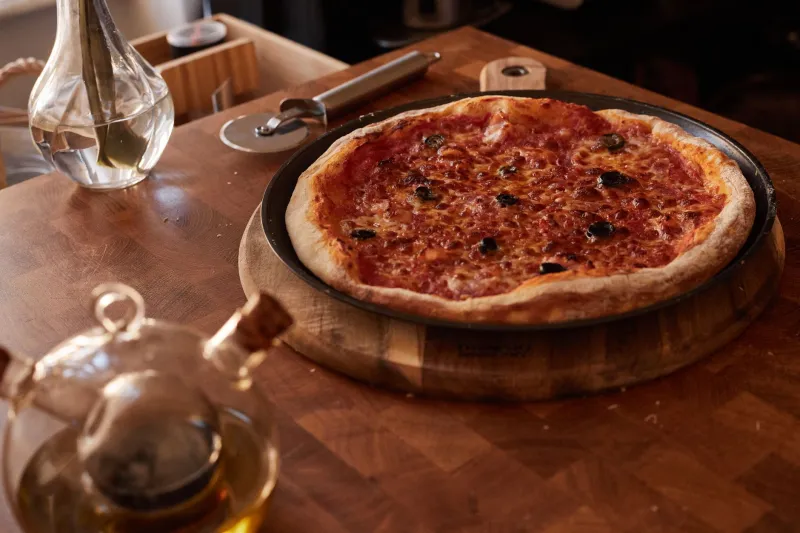
In first-century Galilee, bread was not a side dish. It was the meal. A working family might rise before dawn to bake flat loaves of barley bread on a stone or clay griddle, and that bread, torn and shared, constituted the day's sustenance. When Jesus taught His disciples to pray, "Give us this day our daily bread," His listeners heard no metaphor about abundance. They heard the plain reality of dependence—daily, literal, non-negotiable.
This is why the feeding of the five thousand lands with such weight when you stand on the slope below the Mount of Beatitudes. The boy's five barley loaves were the food of the poor, the humble grain of those with little to offer. Barley was what remained when wheat failed; it was what a family packed when there was nothing else. And it was precisely this humble offering that Jesus took, gave thanks, and multiplied. The theology is in the barley itself: God's kingdom does not begin with what impresses us, but with what we actually have.
Honey, Wild and Bitter-Sweet
Then there is honey. Not the clover honey in a plastic bear on a Midwestern shelf—wild honey, scraped from rock crevices where bees built hives in the wilderness. This was the food of John the Baptist, the prophet in the desert, and its flavor carries a faint bitterness alongside the sweetness, a taste of the wild places where Israel met God.
When the Promised Land is described as flowing with milk and honey, the image is of a landscape generous enough to feed you without cultivation—God's provision that precedes human effort. Pilgrims who taste wild thyme honey in the hills of Judea often describe the moment as unexpectedly moving. Sweetness drawn from bare rock. Provision in the place that looks like nothing can grow. That is the whole arc of Scripture in a spoonful.
Fish From the Same Lake
At the lakeside breakfast recorded in John 21, Jesus already had fish cooking on a charcoal fire when the exhausted fishermen reached shore. The fish of Galilee—today still called "St. Peter's fish" in the local restaurants of Tiberias—are small, bony, and utterly ordinary. They are breakfast food. Which is the point. The risen Christ did not stage a banquet; He made breakfast for His friends. Resurrection, it turns out, tastes like a simple meal cooked over coals by someone who waited for you to come in from the water.
Why Meals Were Theology
Every meal in the ancient world was a statement of who belonged. Table fellowship drew boundaries—or erased them. Jesus ate with tax collectors and Pharisees alike, and each dinner scandalized someone. In that culture, to eat with a person was to accept them. This is why the Pharisees asked, "Why does your teacher eat with sinners?" The question was never about nutrition. It was about holiness, welcome, and the very character of God.
When we reduce the Lord's Supper to a wafer and a thimble of juice consumed in silence, we keep the symbol and lose the scandal. The early church understood this. They gathered for the agape feast—a full meal where the rich and the poor of the congregation ate together, where the widow had a place and the stranger had a seat. Communion was not a ritual appended to worship. It was worship, in the most embodied form possible.
Bringing the Table Home to Your Church
You do not need a plane ticket to Jerusalem to recover this vision—though we heartily recommend the pilgrimage. American churches can host a first-century-style communion meal with modest preparation, and the congregations that have done so report that Communion never looks the same afterward. Here is how to begin:
Serve barley flatbread. Recipes for simple barley loaves abound online—flour, water, salt, olive oil, baked on a hot skillet. Let your congregation tear the bread rather than receiving a prepared portion. Tearing and being handed bread by another person is a different experience than taking a wafer from a tray.
Use one cup, or at least fewer cups. However your tradition permits, move toward shared elements. The logistics of hygiene can be navigated; the symbolism of a common cup is worth the effort.
Make it a meal, not a moment. Set long tables. Include a simple spread: olives, honey with bread, dried fish or salted fish if you are brave, lentils, wine or grape juice. Invite people to sit with those they do not know. Assign nothing else—let the table do the teaching.
Read the Passover narrative aloud. Context the meal in Exodus 12 and in Luke 22, spoken across the tables as the food is shared, just as the head of a household would have done in an Upper Room in Jerusalem.
Close with the invitation of the Kingdom. End not with a benediction but with a commissioning: the table is now open, and you are the ones who keep it open this week.
The Taste That Remains
Visitors to the Holy Lands frequently tell us that certain experiences cling to them long after the photographs fade. More often than not, it is not the grand sites they mention. It is the taste of bread and za'atar on a hillside, or honey drizzled on warm flatbread in Jerusalem. Scripture says, "Taste and see that the Lord is good." It is an odd pairing of verbs unless you have eaten in that land—and realized that God, who could have communicated His goodness any way He chose, chose a meal.